
Panasonic NE-SA1-W Vs Panasonic PAN-NN-SC67NS Countertop Microwave Oven (2026)
Microwave ovens have become indispensable in modern kitchens, seamlessly blending convenience with technology to make cooking faster and more efficient. Panasonic, a global leader in home appliances, has consistently delivered products that cater to diverse culinary needs. Among its wide array of countertop microwave ovens, the Panasonic NE-SA1-W and the Panasonic PAN-NN-SC67NS stand out as notable options, each tailored for specific cooking styles and user requirements. While both models boast Panasonic’s signature Inverter Technology for even heating, they differ in capacity, functionality, design, and user interface, making it essential to understand their unique attributes before choosing the right model for your kitchen.
This comprehensive comparison aims to provide an in-depth evaluation of these two microwaves, examining their features, performance, and suitability, allowing you to make an informed decision based on your cooking habits, household needs, and budget.
Quick Comparison Table
| Feature | Panasonic NE-SA1-W | Panasonic PAN-NN-SC67NS |
|---|---|---|
| Type | Countertop Microwave Oven | Countertop Microwave Oven |
| Power | 1200 Watts | 1250 Watts |
| Cooking Technology | Inverter Technology | Inverter Turbo Defrost |
| Capacity | 1.5 cu. ft. | 1.2 cu. ft. |
| Control Panel | Mechanical dial and digital | Touch control with LCD display |
| Pre-programmed Settings | 10 Auto-Cook Menus | 20 Auto-Cook Menus |
| Weight | 33 lbs | 31 lbs |
| Dimensions (HxWxD) | 14.8 x 21.7 x 19.1 inches | 14 x 23.8 x 18 inches |
| Energy Efficiency | Moderate | High |
| Special Features | Genius Sensor, Turbo Defrost | Genius Sensor, Multi-stage Cooking, Smart Presets |
| Price Range | Mid-range | Slightly higher |
Panasonic NE-SA1-W Vs Panasonic PAN-NN-SC67NS Countertop Microwave Oven
Choosing between the NE-SA1-W and the PAN-NN-SC67NS comes down to understanding your priorities. The NE-SA1-W excels in straightforward, powerful cooking with large capacity, making it ideal for families or frequent entertainers. In contrast, the PAN-NN-SC67NS leans toward a more technologically sophisticated experience, offering advanced preset cooking functions, a modern touch interface, and slightly higher energy efficiency.
While both ovens share core Panasonic technologies like inverter heating and turbo defrost, the user interface, cooking versatility, and design nuances mark the most significant points of divergence.
Key Differences At A Glance
- Capacity: NE-SA1-W is larger (1.5 cu. ft.) versus PAN-NN-SC67NS (1.2 cu. ft.), providing more room for family-sized meals.
- Control Panel: NE-SA1-W combines mechanical dials with digital features; PAN-NN-SC67NS offers full touch controls with an LCD display.
- Pre-programmed Menus: PAN-NN-SC67NS doubles the number of auto-cook menus (20 vs. 10), offering more versatility.
- Energy Efficiency: PAN-NN-SC67NS is slightly more energy-efficient.
- Price Point: NE-SA1-W is typically more budget-friendly.
Panasonic NE-SA1-W Microwave Oven Overview
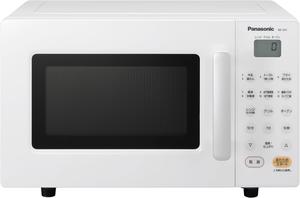
The Panasonic NE-SA1-W is a robust, family-friendly countertop microwave oven designed for everyday cooking. Its 1.5 cu. ft. capacity makes it ideal for large dishes, from full-size casseroles to multiple plates of reheated food. One of its standout features is Inverter Technology, which delivers consistent, even heating, eliminating the common ’hot and cold spots’ seen in traditional microwaves.

The NE-SA1-W includes Turbo Defrost, which speeds up defrosting without partially cooking delicate foods, and a Genius Sensor, which automatically adjusts cooking time and power based on the moisture levels of the food. Its interface blends mechanical dials for time and power with digital options, striking a balance between traditional usability and modern convenience. The appliance is constructed with durability in mind, offering a solid metal frame and easy-to-clean interior.
In short, the NE-SA1-W caters to users who value power, reliability, and ample cooking space over elaborate digital features.
Panasonic NE-SA1-W Microwave Oven Review
Panasonic PAN-NN-SC67NS Countertop Microwave Oven Overview
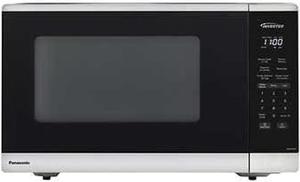
The Panasonic PAN-NN-SC67NS elevates countertop microwave convenience with its touch-sensitive controls and LCD display, providing a more modern user experience. With a slightly smaller 1.2 cu. ft. capacity, it is ideal for small to medium households, while still accommodating larger dishes.
It incorporates Inverter Turbo Defrost and Genius Sensor Cooking, along with multi-stage cooking that allows users to combine different cooking stages into a single preset, such as defrosting, then heating, then broiling. Additionally, its 20 pre-programmed auto-cook settings span a variety of foods-from frozen entrees to baked goods-reducing the guesswork in meal preparation.
The PAN-NN-SC67NS is particularly suited for tech-savvy users who prefer a highly automated, precise, and slightly more energy-efficient cooking process.
Panasonic PAN-NN-SC67NS Countertop Microwave Oven Review
Feature Comparison
| Feature | NE-SA1-W | PAN-NN-SC67NS |
|---|---|---|
| Inverter Technology | Yes | Yes (Turbo) |
| Defrost Function | Turbo Defrost | Turbo Defrost |
| Sensor Cooking | Genius Sensor | Genius Sensor with Multi-stage |
| Auto-Cook Menus | 10 | 20 |
| Control Interface | Dial + Digital | Full Touch + LCD |
| Multi-stage Cooking | No | Yes |
| Interior Material | Easy-clean, stainless steel | Easy-clean, stainless steel |
| Safety Features | Child Lock, Auto Shutoff | Child Lock, Auto Shutoff |
Cooking Performance Comparison
- Heating Consistency: Both models utilize Panasonic’s Inverter Technology, offering gradual power adjustments for evenly cooked meals.
- Defrosting: Both feature Turbo Defrost, but the PAN-NN-SC67NS’s multi-stage cooking allows more precise sequences for delicate items like fish or bread.
- Cooking Versatility: The NE-SA1-W focuses on straightforward power, while the PAN-NN-SC67NS excels with smart presets and automated sequences for complex meals.
Capacity And Size Comparison
The NE-SA1-W’s 1.5 cu. ft. interior accommodates larger dishes and multiple items simultaneously, making it ideal for large households or batch cooking. Its footprint is slightly wider, requiring more counter space.
The PAN-NN-SC67NS, at 1.2 cu. ft., is compact and better suited for kitchens with limited counter space, while still capable of handling medium-sized dishes comfortably. Its sleeker design also complements modern kitchen aesthetics.
Energy Efficiency
Both microwaves are equipped with inverter technology, which inherently uses energy more efficiently by adjusting power levels. However, the PAN-NN-SC67NS is marginally more energy-efficient, thanks to its optimized cooking cycles and automated presets that prevent overcooking. Users conscious about energy consumption or electricity costs may find the PAN-NN-SC67NS slightly more appealing in the long run.
Ease Of Use
- NE-SA1-W: Offers a combination of dials and digital buttons, making it intuitive for users familiar with traditional microwave layouts.
- PAN-NN-SC67NS: Provides a fully touch-controlled interface with an LCD display and more auto-cook options, ideal for users who prefer guided cooking experiences and fewer manual adjustments.
Who Should Buy Each Model?
- Panasonic NE-SA1-W: Best for families or individuals who require a larger capacity microwave with reliable, high-power performance and straightforward controls. Ideal for batch cooking, reheating large dishes, or those less inclined toward complex touch-screen interfaces.
- Panasonic PAN-NN-SC67NS: Designed for tech-savvy users, small to medium households, or anyone who values smart cooking automation, precise multi-stage functions, and modern touch interface controls. Perfect for those who prefer convenience over sheer size.
Final Verdict
Both the Panasonic NE-SA1-W and PAN-NN-SC67NS deliver outstanding performance, leveraging Panasonic’s signature inverter technology for consistent heating. The choice boils down to capacity versus technology: the NE-SA1-W is a powerhouse for larger meals, offering simplicity and durability, while the PAN-NN-SC67NS is a feature-rich, energy-efficient, and tech-forward appliance designed to streamline complex cooking tasks.
FAQs
What Are The Main Differences In Power And Cooking Performance Between The Panasonic NE-SA1-W And The PAN-NN-SC67NS?
The Panasonic NE-SA1-W is a smaller, more basic countertop microwave with a power output of approximately 1200 watts, focusing on simplicity and compact design. In contrast, the PAN-NN-SC67NS offers higher versatility with 1250 watts of microwave power and incorporates inverter technology, which allows for more even cooking and precise temperature control. The NE-SA1-W is best suited for basic reheating and simple cooking, while the PAN-NN-SC67NS excels at a wider variety of cooking tasks including defrosting, baking, and steaming.
How Do The Sizes And Internal Capacities Compare Between The Two Models?
The NE-SA1-W has a smaller interior capacity, around 1.2 cubic feet, making it suitable for small households or kitchens with limited counter space. The PAN-NN-SC67NS has a slightly larger internal capacity of approximately 1.3 cubic feet, providing more room for larger dishes. Both units are compact, but the PAN-NN-SC67NS may better accommodate family-sized portions or taller containers.
Do Both Microwaves Offer Sensor Cooking Or Advanced Cooking Features?
The PAN-NN-SC67NS comes with advanced features including inverter technology, sensor cooking for optimal results, and presets for reheating, popcorn, and various foods. The NE-SA1-W is a simpler model without advanced sensor cooking features, relying on manual power and time settings. For users who prefer automated cooking convenience, the PAN-NN-SC67NS provides a clear advantage.
How Do The Control Interfaces Differ Between These Two Countertop Microwaves?
The NE-SA1-W typically has a straightforward control panel with a combination of buttons and a dial for time and power adjustments, aimed at simplicity. The PAN-NN-SC67NS features a more modern electronic interface with a digital display, touchpad buttons, and menu navigation for multiple cooking programs, making it more user-friendly for complex cooking tasks but slightly more complex for those who prefer basic controls.
Are There Significant Differences In Pricing And Overall Value?
The Panasonic NE-SA1-W is positioned as a budget-friendly option, providing essential microwave functions at a lower price point. The PAN-NN-SC67NS is more expensive due to its inverter technology, advanced cooking options, and larger capacity. The choice between the two often comes down to whether the user values advanced cooking performance and features over basic functionality and lower cost.