
Panasonic NN-SD47QSDAYH Vs Panasonic NN-SN76LS Cyclonic Inverter Countertop Microwave Oven (2026)
When it comes to countertop microwave ovens, Panasonic has carved out a strong reputation for combining advanced inverter technology with thoughtful, user-friendly design. Two standout models in their lineup-the Panasonic NN-SD47QSDAYH and the Panasonic NN-SN76LS Cyclonic Inverter Microwave Oven-offer powerful cooking capabilities, but they cater to slightly different needs and kitchen setups.
At first glance, both models seem similar: sleek stainless-steel finishes, inverter-based cooking, and modern control panels. However, once you dig deeper, differences begin to emerge in performance, size, feature set, and overall cooking experience. This detailed comparison will help you understand exactly where each microwave excels, and which one is the better fit for your lifestyle.
Quick Comparison Table
| Feature | Panasonic NN-SD47QSDAYH | Panasonic NN-SN76LS |
|---|---|---|
| Capacity | 1.3 cu. ft. | 1.6 cu. ft. |
| Power Output | ~1000W | ~1250W |
| Technology | Inverter Technology | Cyclonic Inverter Technology |
| Sensor Cooking | Yes | Yes (Advanced) |
| Design | Compact, minimalist | Larger, premium stainless steel |
| Control Panel | Membrane keypad | Modern soft-touch panel |
| Best For | Small kitchens, everyday use | Larger families, heavy cooking |
Panasonic NN-SD47QSDAYH Vs Panasonic NN-SN76LS Cyclonic Inverter Countertop Microwave Oven
The comparison between these two models essentially comes down to efficiency vs. power and capacity. The NN-SD47QSDAYH is designed for users who want reliable performance in a compact form, while the NN-SN76LS is built for those who demand higher power, more space, and slightly more advanced cooking precision.
The NN-SN76LS introduces Panasonic’s Cyclonic Inverter Technology, which improves heat distribution by circulating microwave energy more evenly. This results in better texture, especially when reheating leftovers or cooking delicate foods. Meanwhile, the NN-SD47QSDAYH still uses standard inverter technology, which is already superior to traditional microwaves but not quite as refined.
Key Differences At A Glance
- Size & Capacity: NN-SN76LS is noticeably larger (1.6 cu. ft. vs 1.3 cu. ft.)
- Power: NN-SN76LS delivers higher wattage for faster cooking
- Technology: Cyclonic Inverter (SN76LS) vs Standard Inverter (SD47QSDAYH)
- Cooking Precision: SN76LS offers more even heating and defrosting
- Footprint: SD47QSDAYH is better for limited counter space
- Use Case: SD47QSDAYH suits light-to-moderate use; SN76LS suits heavy-duty cooking
Panasonic NN-SD47QSDAYH Countertop Microwave Oven Overview
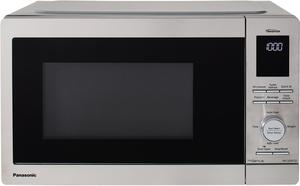
The Panasonic NN-SD47QSDAYH is a compact yet capable microwave designed for everyday convenience. Its 1.3 cubic foot capacity strikes a balance between space efficiency and usability, making it ideal for apartments, dorms, or smaller kitchens.

What sets this model apart is Panasonic’s Inverter Technology, which ensures consistent power delivery rather than cycling on and off like traditional microwaves. This results in more even cooking-especially noticeable when defrosting meat or reheating meals.
The design is clean and understated, with a straightforward control panel that emphasizes ease of use. While it doesn’t have the most advanced interface, it offers all the essential presets and sensor cooking options most users need.
Strengths
- Compact footprint
- Reliable, even heating
- Energy-efficient for its size
- Simple and intuitive controls
Limitations
- Lower power output compared to premium models
- Slightly smaller interior limits large dish use
- Fewer advanced cooking refinements
Panasonic NN-SD47QSDAYH Countertop Microwave Oven Review
Panasonic NN-SN76LS Cyclonic Inverter Countertop Microwave Oven Overview
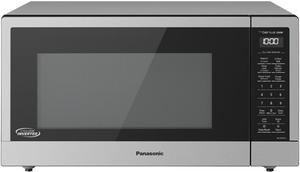
The Panasonic NN-SN76LS is a more advanced and powerful microwave that builds upon the brand’s inverter foundation with Cyclonic Inverter Technology. This innovation creates a more uniform distribution of microwave energy, improving cooking consistency across the entire dish.
With a 1.6 cubic foot capacity and higher wattage (~1250W), this model is well-suited for families or users who frequently cook larger meals. It handles everything from reheating large portions to cooking dense foods more efficiently.
The stainless-steel exterior and modern interface give it a premium feel, while its sensor cooking system automatically adjusts time and power for optimal results.
Strengths
- Larger capacity for bigger dishes
- Faster cooking with higher wattage
- Superior heat distribution
- More advanced sensor cooking
Limitations
- Takes up more counter space
- Slightly higher energy consumption
- Typically more expensive
Panasonic NN-SN76LS Cyclonic Inverter Countertop Microwave Oven Review
Feature Comparison
Both microwaves share core Panasonic features like inverter technology and sensor cooking, but the quality and execution differ.
- Inverter Technology: Present in both, but enhanced in the SN76LS with cyclonic airflow for better consistency
- Auto Cook Programs: Both offer presets, though the SN76LS tends to be more refined
- Defrosting: The SN76LS performs more evenly, reducing partially frozen spots
- Control Interface: The SN76LS feels more modern and responsive
Overall, the SN76LS edges ahead in feature sophistication, though the SD47QSDAYH covers all essential needs effectively.
Cooking Performance Comparison
Performance is where the difference becomes most noticeable.
The NN-SD47QSDAYH delivers consistent results for everyday tasks like reheating, defrosting, and basic cooking. Its inverter system prevents overcooking edges while leaving centers cold-a common issue in traditional microwaves.
However, the NN-SN76LS takes things further. Its Cyclonic Inverter Technology ensures:
- More even heating across the entire dish
- Better texture retention in foods
- Faster cooking times
For example, reheating leftovers like pasta or rice tends to produce fewer dry spots and cold centers in the SN76LS.
Capacity And Size Comparison
-
NN-SD47QSDAYH
- 1.3 cu. ft. capacity
- Compact and space-saving
- Ideal for smaller plates and bowls
-
NN-SN76LS
- 1.6 cu. ft. capacity
- Can accommodate larger cookware
- Better for families or batch cooking
If counter space is limited, the SD47QSDAYH is the more practical choice. If you frequently cook large meals, the SN76LS is clearly superior.
Energy Efficiency
Both models benefit from inverter technology, which is inherently more energy-efficient than traditional microwaves.
- The SD47QSDAYH consumes less power overall due to its smaller size and lower wattage.
- The SN76LS, while more powerful, uses energy more effectively during cooking thanks to its advanced heat distribution.
In practical terms:
- Light users will save more with the SD47QSDAYH
- Heavy users may find the SN76LS more efficient per cooking task
Ease Of Use
The NN-SD47QSDAYH prioritizes simplicity. Its controls are straightforward, making it ideal for users who want a no-fuss appliance.
The NN-SN76LS offers a slightly more advanced interface, but it remains intuitive. The added sensor cooking intelligence reduces guesswork, which can actually make it easier to use for more complex tasks.
Who Should Buy Each Model?
Choose The Panasonic NN-SD47QSDAYH If You
- Have limited counter space
- Primarily reheat and perform light cooking
- Prefer a simple, budget-friendly microwave
- Live alone or in a small household
Choose The Panasonic NN-SN76LS If You
- Cook frequently or for multiple people
- Need higher power and faster results
- Want more even, precise cooking
- Have space for a larger appliance
Final Verdict
Both microwaves are excellent, but they serve different priorities.
The Panasonic NN-SD47QSDAYH is a dependable, compact option that covers all the basics with solid performance. It’s practical, efficient, and well-suited for everyday use.
The Panasonic NN-SN76LS, on the other hand, is a more advanced and powerful appliance. Its larger capacity, higher wattage, and Cyclonic Inverter Technology make it the better choice for users who demand superior cooking performance and flexibility.
If performance and capacity matter most, the NN-SN76LS is the clear winner. If space and simplicity are your priorities, the NN-SD47QSDAYH remains a smart choice.
FAQs
What Are The Main Differences In Cooking Technology Between The Panasonic NN-SD47QSDAYH And The Panasonic NN-SN76LS?
The Panasonic NN-SD47QSDAYH uses standard inverter technology, which allows for precise and even cooking by continuously adjusting power levels. In contrast, the NN-SN76LS features cyclonic inverter technology, which enhances airflow inside the cavity to cook food more evenly and efficiently, especially for multi-layered dishes.
How Do The Capacities Of These Two Microwave Ovens Compare?
The NN-SD47QSDAYH has a 1.2 cubic feet capacity, suitable for small to medium households, while the NN-SN76LS offers a larger 1.3 cubic feet capacity. The slightly larger cavity in the NN-SN76LS makes it more convenient for cooking larger dishes or multiple items simultaneously.
Which Model Is Better Suited For Defrosting And Reheating Food Evenly?
Both models benefit from inverter technology, which allows for consistent power delivery, preventing overcooked edges and undercooked centers. However, the cyclonic airflow in the NN-SN76LS further improves even heating during defrosting and reheating, making it particularly effective for unevenly shaped or dense foods.
Are There Any Differences In Preset Cooking Functions And Usability Between The Two Models?
The NN-SD47QSDAYH offers a range of standard presets such as popcorn, sensor cook, and quick reheat. The NN-SN76LS expands on this with more advanced presets, including multi-stage cooking options, express cooking for multiple items, and enhanced sensor functions to automatically adjust cooking times based on food weight and moisture.
How Do Energy Efficiency And Power Consumption Compare Between The Two Microwaves?
Both models operate efficiently due to inverter technology, which reduces energy waste by maintaining consistent power rather than cycling on and off. The NN-SN76LS may consume slightly more energy under heavy use due to its larger cavity and cyclonic airflow system, but it compensates with faster and more even cooking, potentially saving time and energy over repeated use.