
Panasonic NE-SA1-W Vs Panasonic NNST75LBC Microwave Oven (2026)
Microwave ovens have become indispensable in modern kitchens, offering convenience, speed, and versatility for a wide range of cooking needs. Among the many brands in the market, Panasonic has carved a reputation for delivering high-performance microwaves that cater to both home cooks and professionals. Two of their prominent models-the Panasonic NE-SA1-W and the Panasonic NNST75LBC-stand out for their features and efficiency. However, choosing between them can be challenging, especially when considering cooking performance, size, energy usage, and ease of operation. This comparison dives deep into each model, providing a comprehensive analysis to help you make an informed decision.
Quick Comparison Table
| Feature | Panasonic NE-SA1-W | Panasonic NNST75LBC |
|---|---|---|
| Type | Commercial / High-Power Microwave | Countertop / Domestic Microwave |
| Power Output | 1000-1500W | 1250W |
| Capacity | 1.2 cu. ft. | 1.6 cu. ft. |
| Control Type | Dial and Button | Touchpad with Presets |
| Key Features | Turbo Defrost, Commercial Grade, Inverter Cooking | Inverter Technology, Multi-Stage Cooking, Sensor Cooking |
| Dimensions | 21.3″ x 19.4″ x 13″ | 22″ x 20″ x 14″ |
| Weight | 60 lbs | 57 lbs |
| Energy Efficiency | Medium | High |
| Ideal For | Small commercial use, heavy-duty cooking | Families, everyday home use, versatile cooking |
Panasonic NE-SA1-W Vs Panasonic NNST75LBC Microwave Oven
At first glance, these two Panasonic models may appear similar, but they are designed with different users in mind. The NE-SA1-W leans towards commercial-grade performance with high durability, while the NNST75LBC focuses on modern home kitchen needs, blending power with user-friendly features.
Key Differences At A Glance
- Purpose and Design: The NE-SA1-W is built for commercial or heavy-duty home use, whereas the NNST75LBC is optimized for domestic convenience.
- Capacity: The NNST75LBC offers slightly more internal space, suitable for larger dishes.
- Power and Cooking Control: The NNST75LBC comes with intuitive touchpad controls and multi-stage cooking, while the NE-SA1-W relies on a combination of dials and buttons for precise commercial cooking.
- Energy Efficiency: NNST75LBC’s inverter technology ensures more consistent heating and energy savings.
- Ease of Use: NNST75LBC is easier for everyday home use due to sensor cooking and preset programs; NE-SA1-W may require a learning curve but offers unmatched reliability in commercial contexts.
Panasonic NE-SA1-W Microwave Oven Overview
The Panasonic NE-SA1-W is a compact yet robust microwave, designed to withstand heavy usage. With its 1000-1500W output, it delivers rapid cooking times and consistent heat, essential for commercial kitchens. Its Turbo Defrost function allows for quick thawing, while the durable build ensures longevity. The combination of dial and button controls gives experienced users precise command over power levels and timing. While it lacks some of the advanced sensor technology seen in newer home models, its focus on durability, high power, and reliability makes it ideal for small restaurants, cafés, or serious home cooks.
Pros
- Extremely durable construction
- High power output suitable for heavy cooking
- Turbo defrost and commercial-grade features
- Precise manual control
Cons
- Less energy efficient than modern inverter models
- Learning curve for beginners
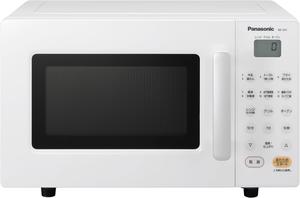

Panasonic NE-SA1-W Microwave Oven Review
Panasonic NNST75LBC Microwave Oven Overview
The Panasonic NNST75LBC brings the convenience of modern kitchen technology into a powerful, mid-sized microwave. Equipped with 1250W power output, inverter technology, and sensor cooking, it ensures evenly cooked meals, whether reheating, defrosting, or preparing complex dishes. The intuitive touchpad controls and multi-stage cooking allow users to program multiple steps in one cycle, reducing the need for constant supervision. Its 1.6 cubic feet capacity accommodates larger dishes, making it highly practical for family kitchens.
Pros
- User-friendly interface with presets and sensor cooking
- Even cooking thanks to inverter technology
- Larger capacity for home use
- Energy efficient
Cons
- Slightly higher price than entry-level home microwaves
- Not as rugged as commercial-grade models
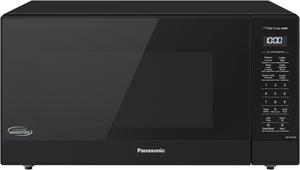
Panasonic NNST75LBC Microwave Oven Review
Feature Comparison
| Feature | NE-SA1-W | NNST75LBC |
|---|---|---|
| Inverter Technology | No | Yes |
| Sensor Cooking | No | Yes |
| Multi-Stage Cooking | No | Yes |
| Presets | Limited | Extensive |
| Defrost Function | Turbo Defrost | Auto Defrost with Sensors |
| Control Type | Dial + Button | Touchpad |
| Durability | High | Moderate |
| Noise Level | Low | Low to Moderate |
Cooking Performance Comparison
The NE-SA1-W excels in raw power and rapid heating, perfect for heavy-duty tasks like batch cooking or reheating dense foods. However, without inverter technology, its heating may be less uniform for delicate foods.
The NNST75LBC, with inverter and sensor technology, ensures even cooking across multiple types of food. Multi-stage cooking allows for complex recipes without constant monitoring. While slightly slower in raw output than the NE-SA1-W, the NNST75LBC prioritizes consistent results and energy efficiency, making it ideal for households.
Capacity And Size Comparison
- NE-SA1-W: 1.2 cu. ft. capacity; compact but efficient, suitable for small commercial setups or limited kitchen space.
-
NNST75LBC: 1.6 cu. ft.; slightly larger, accommodating larger trays and family-sized meals.
Both units occupy similar countertop space, but the NNST75LBC offers better internal space utilization.
Energy Efficiency
Energy efficiency is where the NNST75LBC shines. Its inverter technology reduces power surges, uses energy more efficiently, and maintains even heat. In contrast, the NE-SA1-W consumes more power during heavy-duty cycles but compensates with faster cooking for high-volume use.
Ease Of Use
- NE-SA1-W: Requires some experience to operate efficiently, ideal for users comfortable with manual control and dial-based power adjustments.
- NNST75LBC: Intuitive touchpad, sensor cooking, and preset menus make it extremely easy to use, even for beginners or busy families.
Who Should Buy Each Model?
- NE-SA1-W: Best suited for small restaurants, cafés, or home cooks who need commercial-grade power and durability.
- NNST75LBC: Perfect for families, busy households, and anyone who values convenience, versatility, and energy efficiency without sacrificing performance.
Final Verdict
Both microwaves are excellent, but their strengths cater to different needs. Choose the NE-SA1-W if raw power, durability, and heavy-duty cooking are your priorities. Opt for the NNST75LBC for consistent, energy-efficient cooking with modern convenience, sensor technology, and ease of use for everyday meals.
FAQs
What Are The Main Differences In Cooking Technology Between The Panasonic NE-SA1-W And The NNST75LBC?
The Panasonic NE-SA1-W is a compact, countertop microwave that features inverter technology for even cooking and precise temperature control. The NNST75LBC, on the other hand, is a larger, convection microwave with a steam assist feature, allowing for baking, roasting, and steaming, in addition to standard microwave functions.
How Do The Power Output And Capacity Compare Between The Two Models?
The NE-SA1-W has a 950-watt output with a 1.5-cubic-foot capacity, suitable for small to medium meals. The NNST75LBC has a higher power output at 1200 watts and a larger 2.2-cubic-foot capacity, which accommodates larger dishes and is more versatile for cooking multiple types of meals.
Which Microwave Is More Suitable For Healthy Cooking Options Like Steaming And Baking?
The NNST75LBC is better suited for health-conscious cooking because it includes a steam-assist function and convection mode, allowing for baking and steaming without using excessive oils or fats. The NE-SA1-W focuses primarily on reheating and standard microwave cooking.
Are There Differences In User Interface And Ease Of Use Between These Two Microwaves?
Yes. The NE-SA1-W has a simpler interface with basic preset buttons and a dial for time and power adjustment, making it easy for everyday reheating and simple meals. The NNST75LBC has a more complex digital touchscreen interface with multiple cooking modes, presets, and programmable options, which may require more time to learn but offers greater cooking flexibility.
Which Microwave Offers Better Value For Money Based On Features And Versatility?
The NE-SA1-W offers good value for those needing a straightforward, reliable microwave for everyday use, especially if counter space is limited. The NNST75LBC is more expensive but offers advanced features like convection baking, steam cooking, and larger capacity, making it better value for users who want an all-in-one appliance capable of replacing an oven for certain tasks.