
Panasonic NN-SN76LS Vs Panasonic NNST75LBC Microwave Oven (2026)
In today’s fast-paced world, a microwave oven is no longer just a kitchen convenience-it’s an essential appliance that balances speed, efficiency, and culinary versatility. Panasonic, a brand synonymous with innovation in home appliances, offers a variety of models designed to cater to diverse cooking needs. Two of its standout countertop microwaves are the Panasonic NN-SN76LS Cyclonic Inverter Microwave Oven and the Panasonic NNST75LBC Microwave Oven. Both promise powerful performance and reliable cooking, yet each appeals to slightly different user preferences. This guide dives deep into their specifications, features, and real-world performance to help you determine which microwave best suits your kitchen and lifestyle.
Quick Comparison Table
| Feature/Specification | Panasonic NN-SN76LS | Panasonic NNST75LBC |
|---|---|---|
| Type | Cyclonic Inverter Countertop Microwave | Standard Countertop Microwave |
| Power Output | 1200W | 1250W |
| Cooking Technology | Cyclonic Inverter Technology | Standard Microwave with Sensor Cooking |
| Capacity | 2.2 cu. ft. (62 liters) | 2.0 cu. ft. (56 liters) |
| Turntable | Non-turntable (Cyclonic Circulation) | Turntable |
| Preset Cooking Options | 15 Auto Cook Menus | 11 Auto Cook Menus |
| Sensor Cooking | Yes | Yes |
| Exterior Dimensions | 22 x 18 x 14 inches | 21 x 17 x 13 inches |
| Weight | 44 lbs | 38 lbs |
| Price Range (Approx.) | Higher-end | Mid-range |
Panasonic NN-SN76LS Vs Panasonic NNST75LBC Microwave Oven
At first glance, both microwaves appear similar: large-capacity countertop units from a trusted brand. However, the NN-SN76LS introduces Cyclonic Inverter technology, a feature that evenly distributes microwaves for consistent cooking without the need for a turntable. This allows for more even heating and defrosting, especially for larger dishes.
In contrast, the NNST75LBC is a more conventional microwave that relies on a turntable to circulate food, paired with Panasonic’s sensor cooking technology. While slightly smaller, it still delivers robust performance at a more accessible price point. The differences are subtle yet significant for those seeking precise cooking versus standard convenience.
Key Differences At A Glance
- Cooking Technology: NN-SN76LS uses cyclonic inverter technology; NNST75LBC uses standard microwave with turntable.
- Capacity: NN-SN76LS has slightly larger capacity (2.2 cu. ft. vs 2.0 cu. ft.).
- Power Output: NNST75LBC has a marginally higher wattage, but the inverter technology of NN-SN76LS often results in better efficiency.
- Preset Programs: NN-SN76LS comes with more auto cook options (15 vs 11).
- Design: NN-SN76LS features a non-turntable design, making it ideal for large or irregular-shaped dishes.
Panasonic NN-SN76LS Cyclonic Inverter Countertop Microwave Oven Overview
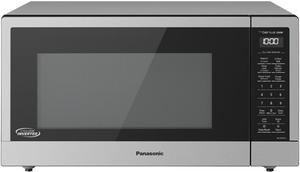
The Panasonic NN-SN76LS is engineered for households that demand both power and precision. Its Cyclonic Inverter technology delivers microwaves in a swirling motion, reducing cold spots and ensuring that food heats uniformly. This technology is particularly beneficial for large casseroles, frozen meals, and delicate items that often cook unevenly in standard microwaves.
The 2.2 cubic foot interior accommodates substantial dishes, and the sleek stainless steel exterior provides a modern aesthetic. Its intuitive control panel offers 15 preset cooking modes, including options for popcorn, vegetables, pizza, and beverages. Additionally, its non-turntable design simplifies cleaning and maximizes interior space, allowing for larger trays and dishes.

Panasonic NN-SN76LS Cyclonic Inverter Countertop Microwave Oven Review
Panasonic NNST75LBC Microwave Oven Overview
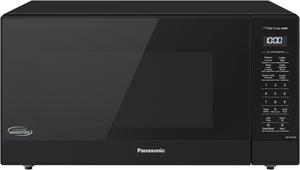
The Panasonic NNST75LBC offers reliable microwave performance with slightly simpler features. It utilizes sensor cooking technology to automatically adjust cooking times based on the food’s moisture content, ensuring meals are heated efficiently without overcooking.
With 2.0 cubic feet of capacity, it handles medium to large meals comfortably, though the turntable mechanism slightly limits the size of dishes that can be used. The unit comes with 11 preset cooking modes and a high-power 1250W output, making it a solid choice for families or individuals who need a dependable, straightforward microwave without extra bells and whistles.
Panasonic NNST75LBC Microwave Oven Review
Feature Comparison
| Feature | NN-SN76LS | NNST75LBC |
|---|---|---|
| Cyclonic Inverter Technology | Yes | No |
| Sensor Cooking | Yes | Yes |
| Turntable | No | Yes |
| Auto Cook Menus | 15 | 11 |
| Large Dish Accommodation | Excellent (non-turntable interior) | Moderate (turntable limits size) |
| Interior Finish | Stainless steel | Stainless steel |
| Control Panel | Digital, touchpad | Digital, touchpad |
Cooking Performance Comparison
The NN-SN76LS excels in cooking uniformity. Its cyclonic motion minimizes cold spots, making it ideal for multi-component meals and leftovers. Foods such as lasagna, baked potatoes, and frozen entrees come out evenly cooked, often eliminating the need for stirring or repositioning mid-cycle.
The NNST75LBC performs well but can occasionally require manual rotation or stirring for very large or dense dishes due to its turntable. Its sensor cooking does a good job preventing overcooking and undercooking, but the overall evenness may not match that of the cyclonic inverter.
Capacity And Size Comparison
- NN-SN76LS: 2.2 cu. ft. interior, 22 x 18 x 14 inches exterior, ideal for large trays or multi-item meals.
- NNST75LBC: 2.0 cu. ft. interior, 21 x 17 x 13 inches exterior, better suited for smaller kitchens or moderate-size meals.
The slight increase in capacity of the NN-SN76LS, combined with the absence of a turntable, provides a practical advantage for families or frequent entertainers.
Energy Efficiency
While both microwaves are energy-efficient compared to conventional ovens, the NN-SN76LS benefits from its inverter technology, which uses precise power delivery to cook food more evenly at lower wattage bursts, potentially saving energy over time. The NNST75LBC, while slightly higher in wattage, compensates with sensor cooking that prevents unnecessary overcooking, maintaining overall efficiency.
Ease Of Use
The NN-SN76LS may appear slightly more complex due to its advanced features and larger control panel, but its presets simplify most everyday cooking tasks. Its non-turntable design reduces cleaning hassles.
The NNST75LBC offers a more straightforward, user-friendly interface with familiar turntable operation and fewer presets, making it ideal for users seeking simplicity without sacrificing performance.
Who Should Buy Each Model?
- NN-SN76LS: Perfect for large families, cooking enthusiasts, or anyone who values precision, even cooking, and the flexibility to use larger dishes without turntable restrictions.
- NNST75LBC: Best for smaller households, casual users, or budget-conscious buyers who want solid performance without needing advanced inverter technology or extra capacity.
Final Verdict
Both Panasonic microwaves are strong contenders in the countertop segment. The NN-SN76LS stands out for its innovative cyclonic inverter technology, larger capacity, and superior cooking evenness, making it a premium choice. The NNST75LBC, while slightly simpler, remains a reliable and efficient option for everyday use, offering a balance of power, capacity, and ease of use at a more moderate price.
FAQs
What Are The Main Differences In Cooking Power Between The Panasonic NN-SN76LS And NNST75LBC?
The Panasonic NN-SN76LS offers 1250 watts of cooking power, making it suitable for faster cooking and larger meals, whereas the NNST75LBC operates at 1000 watts, which is slightly lower and may require a longer cooking time for the same dishes.
How Do The Size And Capacity Compare Between The Two Models?
The NN-SN76LS has a capacity of 2.2 cubic feet, which is larger and accommodates bigger dishes or multiple items at once. The NNST75LBC is slightly smaller, with a 1.6 cubic feet capacity, making it better suited for standard household use with limited counter space.
Do Both Models Feature Inverter Technology, And What Benefits Does It Provide?
Yes, both the NN-SN76LS and NNST75LBC include Panasonic’s Inverter Technology. This ensures more even cooking and defrosting by providing a continuous stream of power at variable levels, which helps prevent overcooked edges and undercooked centers, unlike traditional microwaves that pulse at full power.
Are There Differences In Preset Cooking Functions And Control Panels?
The NN-SN76LS offers a more advanced control panel with 14 preset cooking programs and a touchpad interface, including options for sensor cooking, popcorn, and reheating. The NNST75LBC features 10 preset programs with a simpler interface, focusing on basic cooking and defrosting functions.
Which Model Is More Suitable For A Family Kitchen Versus A Single-user Or Smaller Household?
The NN-SN76LS, with its higher wattage, larger capacity, and extensive presets, is better suited for a family kitchen where larger meals are prepared frequently. The NNST75LBC is ideal for single users or smaller households due to its compact size and sufficient cooking power for everyday meals without taking up excessive counter space.